

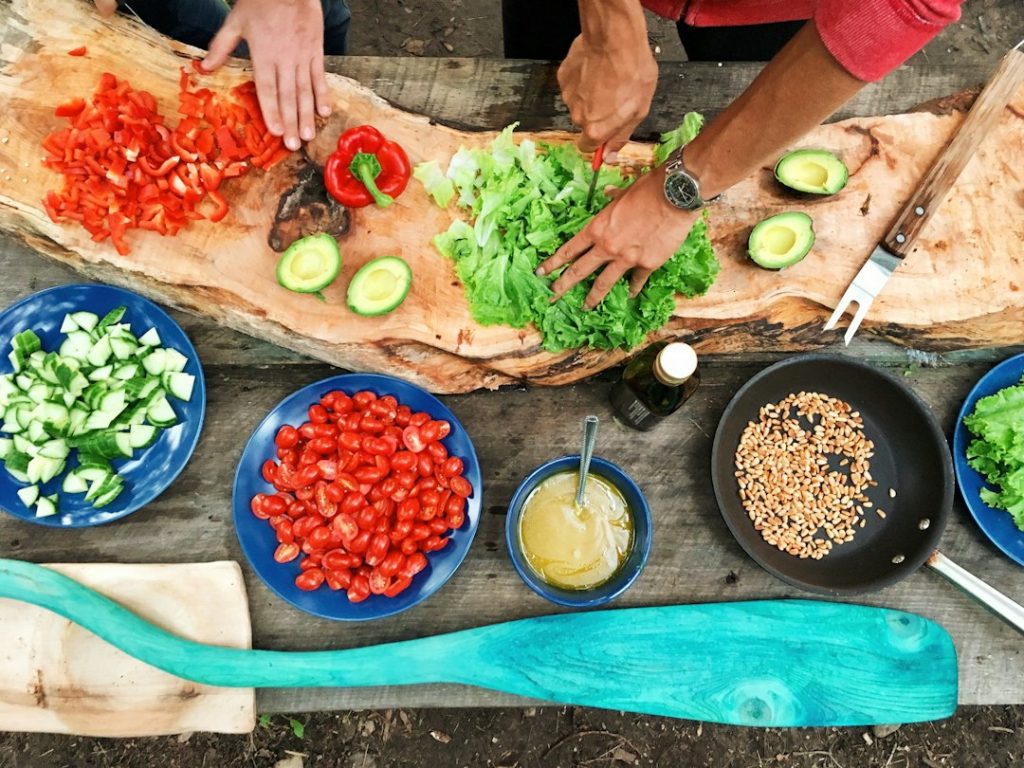
Cooking at home can become stressful when every meal seems to require a new shopping list. A cupboard full of rarely used ingredients does not necessarily make dinner easier. A more useful approach is to keep a small set of flexible staples that can work across several dishes, then add fresh ingredients according to the season, your budget and the time available.
The aim is not to follow a strict pantry checklist. It is to create a kitchen that gives you options without encouraging unnecessary buying or food waste. These eight groups of ingredients can provide a practical starting point.
1. Grains that can become a base for many meals
Rice, oats, pasta, couscous and other grains are useful because they can support very different flavours. A bowl of rice can sit alongside roasted vegetables, beans or a quick stir-fry. Pasta can become a simple tomato dish, a cold salad or a way to use leftover vegetables.
Choose the grains your household actually enjoys and store them in sealed containers. Check cooking times and keep a few reliable methods handy so that the base of a meal does not become another source of guesswork.
2. Beans and lentils for satisfying options
Canned beans and dried lentils can be used in soups, salads, stews, wraps and sauces. They are convenient pantry ingredients and can make a meal more substantial without requiring complicated preparation. Canned varieties are particularly helpful when time is short; rinsing them can reduce some of the salty packing liquid.
If you buy dried pulses, plan for soaking or longer cooking where needed. Prepare a batch when you have time and refrigerate or freeze portions safely for later use.
3. A few dependable flavour builders
Garlic, onions, ginger, citrus, herbs, spices and vinegar can change the character of a basic dish. You do not need a large collection of seasonings. Start with flavours you use often, then add one unfamiliar ingredient when a recipe genuinely calls for it.
Acidity is especially useful. A squeeze of lemon or a small splash of vinegar can brighten a dish that tastes flat. Add it gradually and taste as you go rather than relying on exact amounts for every meal.
4. Frozen vegetables for busy days
Frozen peas, spinach, mixed vegetables and berries can help fill gaps when fresh produce is unavailable or has run out. They are often prepared soon after harvest and can reduce the pressure to use everything immediately. Frozen vegetables work well in soups, pasta, omelettes and quick rice dishes.
Use the cooking instructions on the package and avoid thawing and refreezing food unless the product guidance says it is safe. Keep the freezer organised so that older items are used first.
5. Fresh produce chosen with a plan
Fresh ingredients bring texture, colour and variety. Instead of buying a large amount of produce without a plan, choose a few items that can appear in more than one meal. A bunch of greens might be used in a salad, a soup and a cooked side; tomatoes can work in sandwiches, sauces and grain bowls.
Think about how quickly each item needs to be used. More delicate leaves may belong near the front of the fridge, while sturdy vegetables can often wait longer when stored correctly.
6. Protein options that suit your routine
Eggs, tofu, yoghurt, fish, poultry, nuts and pulses can all contribute to varied meals. The right choices depend on dietary needs, preferences, availability and budget. Keeping two or three convenient options around makes it easier to build a meal without relying on one ingredient every day.
Handle and store perishable foods according to food-safety guidance. Keep raw ingredients separate from ready-to-eat foods and cook them to appropriate safe temperatures.
7. Sauces that make leftovers feel new
A simple dressing, yoghurt-based sauce, tomato sauce or peanut-style dressing can help transform the same basic ingredients into different meals. Keep a few favourites rather than collecting jars that will only be opened once. Check labels for allergens and storage instructions, particularly after opening.
You can also make small batches at home. A quick dressing of oil, citrus and seasoning can bring together vegetables and grains without requiring a complicated recipe.
8. Storage habits that prevent waste
Organisation is an ingredient in its own right. Clear containers make leftovers easier to see, labels help identify what needs using and a short weekly fridge check can prevent food from being forgotten. Place newer items behind older ones and plan one flexible meal around ingredients that are close to their use-by date.
Freeze suitable portions when you know they will not be used in time, and follow reliable food-safety advice for cooling, storage and reheating.
Build a kitchen that works for real life
A flexible kitchen does not need to be full. It needs ingredients that work together and a routine that fits the people cooking and eating. Choose staples you enjoy, keep fresh shopping realistic and let leftovers guide some of your decisions.
Try planning three meals from a shared group of ingredients this week. You may find that a smaller, more intentional shop gives you more freedom than a cupboard filled with items bought for recipes you never make.
Image credit: Maarten van den Heuvel via Unsplash.
