

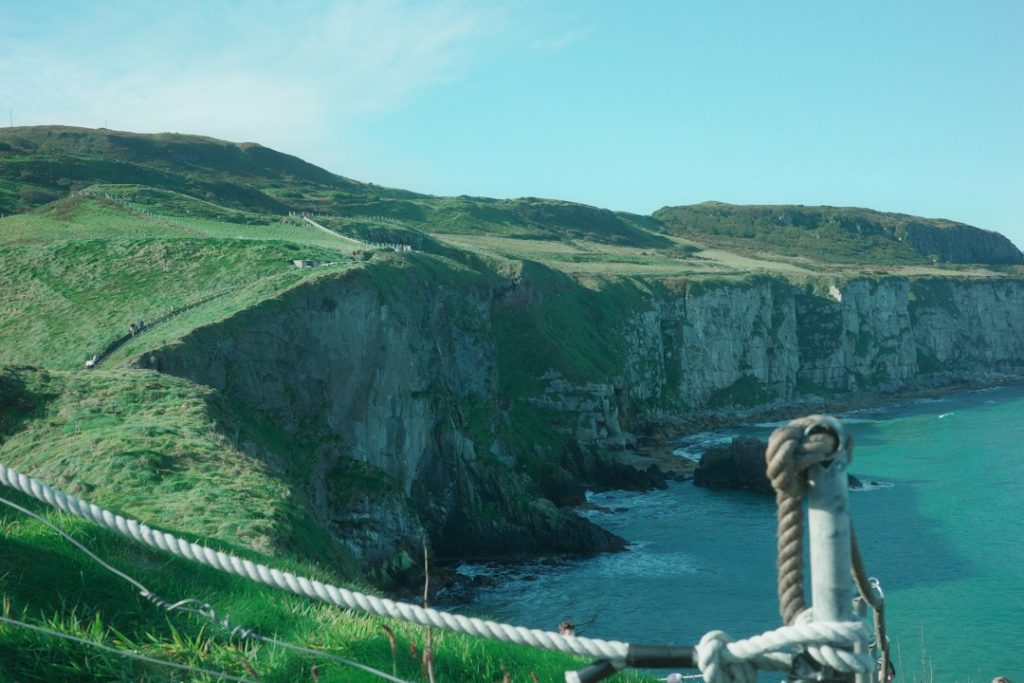
A day trip can offer the feeling of a break without requiring a long holiday or a complicated itinerary. A coastline, historic town, country trail or quiet stretch of countryside may be close enough to visit and return from in a single day. The challenge is planning enough to make the journey comfortable without filling every hour with stops and deadlines.
A good day out usually has one clear reason for going, a realistic travel plan and enough flexibility to respond to the weather or your energy. These seven steps can help turn an ordinary free day into a more memorable escape.
1. Choose the experience before choosing the destination
Start by asking what kind of day you want. Perhaps you want a scenic walk, a place to explore local history, a good lunch, a photography opportunity or simply a change of scenery. This makes it easier to compare destinations based on what you will actually do rather than choosing a place only because it looks impressive online.
Think about who is travelling too. A long walking route may suit one group but not another. Consider mobility, children, pets and anyone who needs regular breaks before committing to a plan.
2. Keep the journey realistic
Travel time can make or break a day trip. Check the route, transport options and likely delays before leaving. If you are driving, consider parking availability and any access restrictions. If you are using public transport, check the return timetable as carefully as the outward journey.
Build in a little extra time rather than planning around the most optimistic estimate. A destination that takes slightly longer to reach may still be worthwhile, but it should leave enough time to enjoy the place rather than spending the whole day travelling.
3. Pick one main highlight
Choose one activity or location that gives the day its focus: a coastal viewpoint, a museum, a market, a garden or a particular walking trail. Add one or two nearby options only if they fit naturally. This creates a satisfying structure without turning the trip into a race.
Check opening hours, booking requirements, seasonal closures and access information through official sources before setting off. Published information can change, especially around holidays or during poor weather.
4. Leave space for unplanned discoveries
Some of the most enjoyable parts of a trip are not on the original list. You might find a small independent café, a quiet side street or a viewpoint that deserves a longer stop. If every minute is scheduled, there is little room to follow those discoveries.
Try planning the day around broad time blocks rather than exact minute-by-minute timings. Keep the main highlight protected and allow the rest of the schedule to move if something interesting appears.
5. Prepare for changing conditions
Weather can change quickly, particularly in exposed coastal or rural areas. Check a reliable forecast close to departure and pack layers, suitable footwear and rain protection where appropriate. Bring water and any personal essentials you may need during the journey.
For outdoor routes, check trail conditions, daylight hours and local safety advice. Tell someone your plan if you are heading somewhere remote, and be willing to choose a shorter route or a different activity if conditions are unsuitable.
6. Support local places thoughtfully
A day trip can be a chance to explore local businesses and cultural attractions. Consider eating at an independent café, visiting a local museum or buying something from a nearby shop. Respect local residents, follow parking guidance and take rubbish away when bins are not available.
Popular destinations can become busy, so consider visiting outside peak periods when possible. A quieter start may offer a more relaxed experience and reduce pressure on small communities.
7. Make the return journey part of the plan
It is easy to focus on arriving and forget that everyone still needs to get home. Set a sensible point at which to begin the return journey, especially if daylight, transport schedules or driving fatigue are factors. Keep a little flexibility for delays, but do not leave the return until the last possible moment.
After the trip, save useful notes such as parking details, route information and places you would revisit. Those small records can make a future visit easier to organise.
Let the day breathe
The best day trip is not necessarily the one with the most attractions. It is the one that matches your interests, travel limits and energy. A single beautiful walk, an unhurried lunch and time to look around can feel more restorative than a long list of stops.
Choose one destination, check the practical details and leave room for a little spontaneity. With a realistic plan, even a short journey can provide a welcome change of pace.
Image credit: Jerry Wei via Unsplash.
