

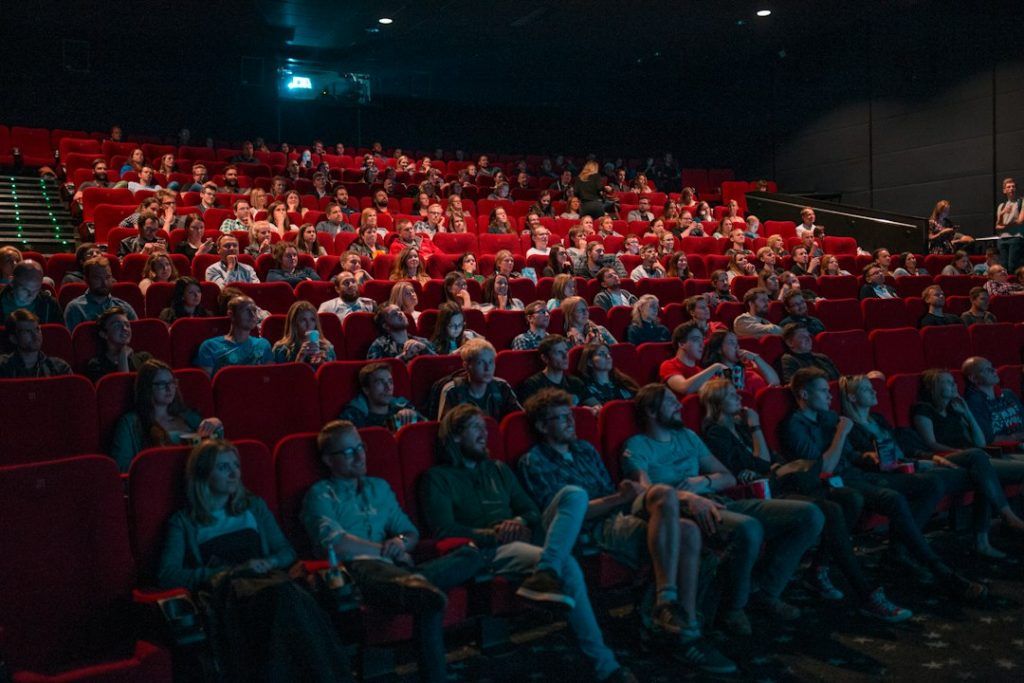
Entertainment is easier to access than ever. Films, series, games, performances and creator videos can be watched on demand, often from a phone or television at home. Yet the convenience of choosing something alone has not removed the appeal of experiencing it with other people. A packed cinema, a living-room watch party or a conversation after a concert can make the same piece of entertainment feel different.
Shared entertainment is not simply about being in the same room. It creates a common reference point: a story to discuss, a surprise to react to or a moment that becomes part of a group’s history. Here are seven reasons those experiences continue to matter.
1. Reactions become part of the experience
A suspenseful scene can feel more intense when a room falls silent. A comedy can become funnier when laughter spreads through an audience. At a live performance, applause and collective energy can change the atmosphere in a way that a recording rarely captures.
These reactions do not replace the work itself. They add another layer, allowing people to notice how others respond and sometimes discover details they missed.
2. Shared stories create easy conversation
Not every social occasion needs a complicated plan. Watching a film, following a series or attending a match gives people something specific to talk about afterwards. They can compare favourite scenes, debate a character’s decision or explain what surprised them.
A shared reference can also help people reconnect after time apart. Even a quick exchange about a recent episode can open the door to a longer conversation.
3. Rituals make ordinary days feel special
Weekly film nights, a regular game session or an annual visit to a festival can become familiar rituals. The activity gives people something to anticipate and a reason to protect time together. Small traditions often matter because they are repeated, not because each occasion is extraordinary.
Rituals can be flexible. A group might rotate who chooses the film, try a different genre each month or keep a shared list of events they would like to attend.
4. Different perspectives broaden taste
Choosing entertainment alone often means returning to familiar genres and creators. In a group, someone may suggest a documentary, international drama, independent game or music performance that another person would not have found. The recommendation becomes easier to try because it comes with a personal reason.
Disagreement is useful too. People can enjoy the same story for different reasons, or leave with completely different opinions. A good discussion does not require everyone to reach the same verdict.
5. Live settings create a sense of occasion
A cinema visit, theatre performance, sports fixture or concert involves more than pressing play. Travelling to a venue, finding a seat and sharing the space with an audience creates anticipation. The event has a beginning and an end, which can make it feel distinct from the endless flow of online content.
Not every live experience needs to be expensive or large. Community screenings, local performances and small cultural events can provide the same sense of participation on a more modest scale.
6. Digital tools help people stay connected across distance
Shared entertainment is not limited to people who live nearby. Group chats, multiplayer games, synchronized viewing tools and online fan communities allow friends and relatives to take part from different places. A shared playlist or game can become a regular way to keep in touch.
Good digital gatherings still benefit from simple expectations. Agree on a start time, choose a platform everyone can access and make room for people who prefer to participate quietly. The technology should support the connection rather than dominate it.
7. Memories gain meaning through the people attached to them
Years later, someone may remember a film because of who they watched it with, the journey to a concert or the unexpected result of a match. The entertainment becomes linked to a particular period in life. That personal context can make an ordinary event surprisingly memorable.
Photos, ticket stubs and shared playlists can help preserve those memories, but the most important part is often the story people tell about what happened.
Make room for experiences together
On-demand entertainment is valuable because it gives people freedom and choice. Shared experiences offer something different: a moment of attention that people can enjoy and interpret together. Neither format needs to replace the other.
Start with something simple. Invite a friend to choose a film, attend a local event or schedule a relaxed game night. The goal is not to turn every evening into a major occasion. It is to create a few more opportunities to laugh, react and make memories with other people.
Image credit: Krists Luhaers via Unsplash.
